


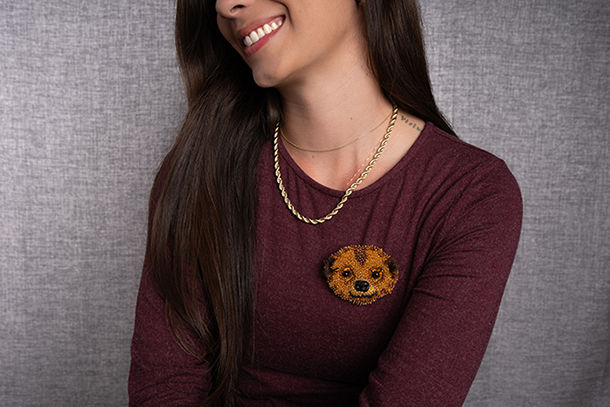


The brooch: history of an accessory with timeless elegance
For centuries, the brooch has been more than just an accessory: it has represented status, elegance, and a refinement that transcends generations. In the European courts of the 18th century, brooches adorned the dresses of the nobility, often encrusted with precious stones and crafted with intricate filigree. They were not merely ornaments: they communicated lineage, taste, and power.

From this time onwards, these types of ornaments were not exclusive to lapels; they also served as decorations for skirts with uses that went beyond being a decorative object; they also served to carry keys, watches, or even perfume cases.
Throughout history, the great divas of Hollywood's golden age and other prominent figures adopted the brooch as a key element in their style, strategically placing it over the heart or at the center of the neckline. It was a symbol of sophistication, but also of individuality, as each brooch reflected the personality of the wearer.

Throughout history, the great divas of Hollywood's golden age and other prominent figures adopted the brooch as a key element in their style, strategically placing it over the heart or at the center of the neckline. It was a symbol of sophistication, but also of individuality, as each brooch reflected the personality of the wearer.

The brooch has become a classic style icon, and yet its history has never been rigid. It has evolved with the times, but always maintaining that air of distinction that makes it so special. From the ornamental to the expressive, this accessory has told stories without words.

Today we're reviving it not only with respect for that tradition, but with a freer and more contemporary vision. The brooch returns, not as a relic of the past, but as a modern ally to express who you are through what you wear.


Comments